
How Commercial Tree Services Prevent Property Damage and Liability Issues
Trees are more than just aesthetic additions to commercial properties; they are living assets that contribute to the environment, enhance property value, and provide shade and energy efficiency. However, without proper maintenance, trees can become sources of significant risk. Overgrown branches, weakened roots, and disease-prone trees may lead to property damage, safety hazards, and costly liability claims. For businesses, safeguarding against these risks requires more than casual attention—it demands professional commercial tree services. These services encompass routine inspections, proactive maintenance, and emergency interventions that prevent small issues from escalating into severe structural or financial consequences.
In today’s fast-paced commercial environment, risk management is a priority. Commercial property owners cannot afford to overlook the potential hazards posed by poorly maintained trees. From falling branches that threaten vehicles and buildings to root systems that compromise underground utilities, the implications are both immediate and long-term. Engaging expert tree care providers ensures that these risks are mitigated efficiently, preserving the integrity of the property while protecting stakeholders. By understanding the multifaceted benefits of professional tree management, businesses can make informed decisions that combine safety, compliance, and landscape aesthetics.
1. Understanding Commercial Tree Risks
Identifying Structural Weaknesses
Trees naturally endure environmental stressors, from seasonal storms to soil erosion. Over time, these factors can lead to weakened trunks, cracked branches, or compromised root systems. Commercial properties, with high foot traffic, parked vehicles, and infrastructure, are especially vulnerable. A single weakened branch can fall and damage roofing, signage, or vehicles. Identifying these vulnerabilities requires professional assessment. Certified arborists use advanced diagnostic tools and visual inspections to detect hidden decay or fungal infections that may not be apparent to the untrained eye.
Disease and Pest Threats
Tree diseases such as oak wilt, anthracnose, or root rot, alongside infestations from pests like termites or borers, can dramatically weaken tree integrity. In commercial environments, such outbreaks may quickly spread, affecting multiple trees and surrounding landscape. Early detection and treatment through pruning, fertilization, or chemical interventions can prevent catastrophic failures that compromise safety and property.
Real-World Consequences
Consider a parking lot shaded by large trees. Without proper pruning, branches may overhang vehicles. A sudden storm or high wind can cause limb failure, leading to costly insurance claims and potential liability for injuries. Commercial tree services mitigate these risks by routinely monitoring tree health, removing hazardous limbs, and implementing preventive measures such as cabling and bracing.
Preventive Measures for Liability Management
From a legal perspective, property owners are responsible for maintaining safe environments. Failure to manage tree hazards can result in lawsuits if negligence is proven. Professional tree care ensures compliance with local ordinances, insurance requirements, and safety standards, significantly reducing liability exposure.
2. Tree Maintenance as a Property Protection Strategy
Pruning and Trimming
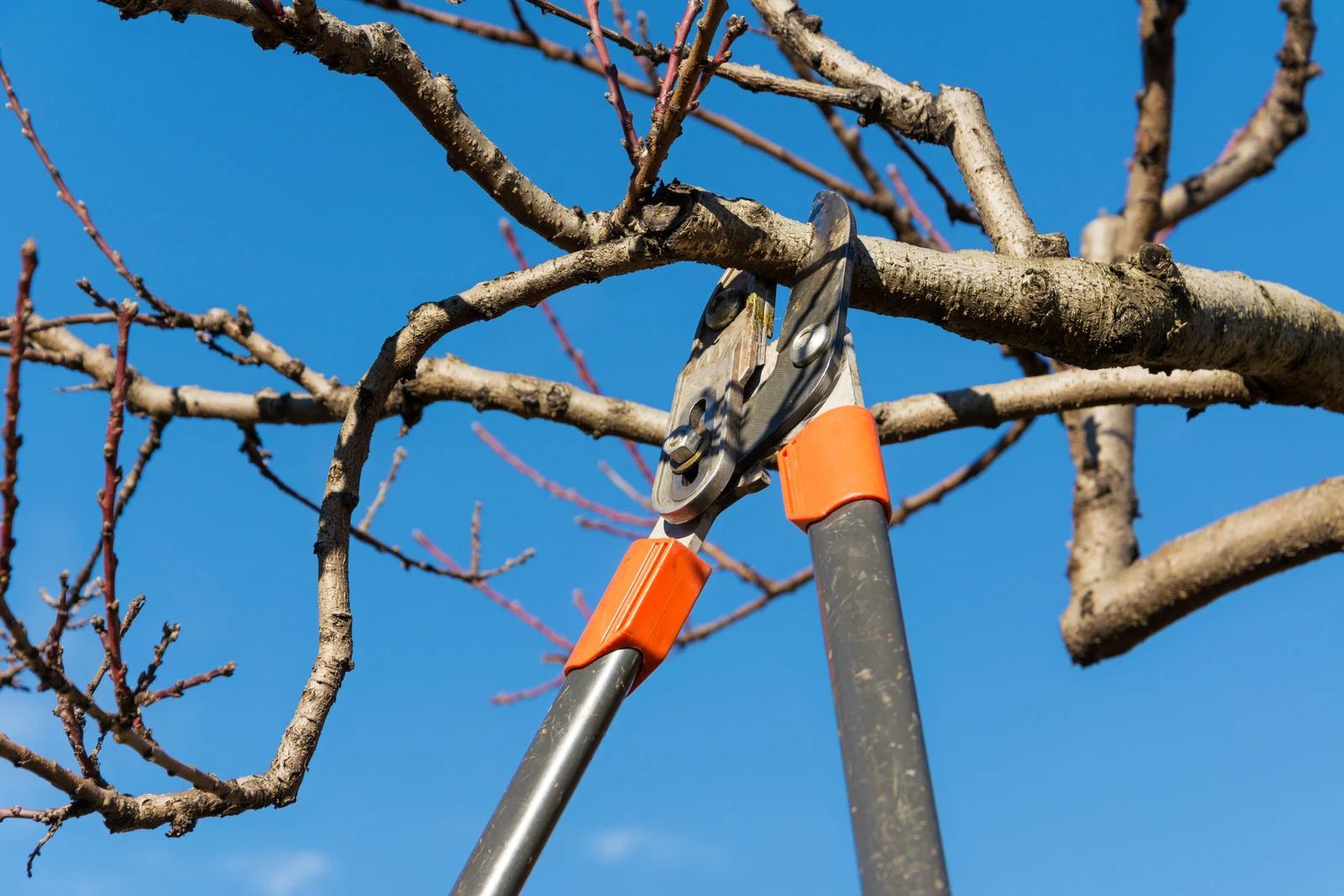
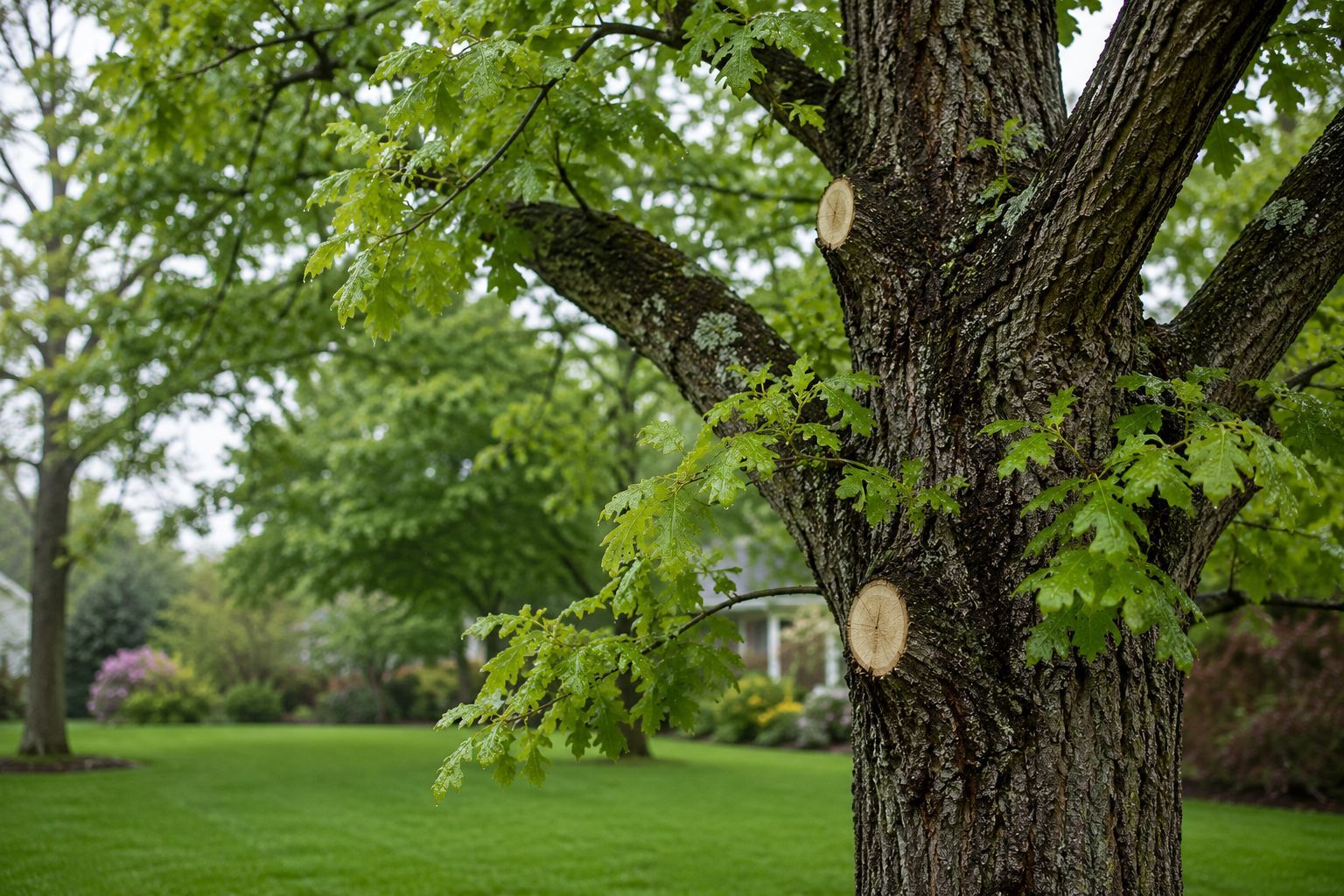
Routine pruning not only enhances tree aesthetics but also strengthens structure and minimizes the risk of falling branches. Proper trimming removes dead or diseased limbs and allows for controlled growth away from buildings, signage, and pedestrian areas. In commercial settings, this translates to fewer hazards near walkways, loading zones, and high-traffic parking areas
Root Management and Soil Care
Tree roots can cause underground damage to sidewalks, driveways, and utility lines. Professional tree services assess root growth patterns and implement solutions such as root barriers or selective pruning. Soil treatment and aeration programs promote healthier root systems, reducing the likelihood of toppling during storms.
Storm Preparation and Emergency Planning
Commercial tree services also prepare trees to withstand extreme weather events. Bracing weak limbs, cabling critical branches, and removing high-risk trees before storm season can prevent property damage and business interruptions. This proactive approach protects assets and ensures operational continuity.
Cost-Benefit Analysis
Investing in preventive tree maintenance is far more cost-effective than reactive repairs. Consider the costs associated with roof replacement, pavement repair, vehicle damage, or legal claims due to tree-related accidents—proactive care avoids these significant expenditures while extending the lifespan of the trees.
3. Risk Mitigation Through Tree Inspections
Routine Professional Assessments
Commercial properties benefit from scheduled tree inspections, conducted by certified arborists who evaluate tree health, structural integrity, and growth patterns. Inspections involve checking for fungal infections, insect damage, trunk cracks, weak crotches, and soil stability.
Early Detection of Hazards
Identifying risk factors early prevents small issues from evolving into serious safety threats. For example, a minor fungal infection may be contained with localized treatment, but untreated, it could compromise the tree’s structural integrity, posing a risk to nearby buildings or pedestrians.
Documentation and Liability Protection
Professional inspections create documentation that demonstrates due diligence in property management. This documentation is crucial for insurance purposes and legal defense, showing that the property owner proactively maintained a safe environment. Regular reporting helps track tree health trends, guiding decisions on pruning, removal, or treatment.
Case Example
A commercial plaza scheduled annual tree inspections. The arborist discovered early-stage decay in a high-traffic tree adjacent to the entrance. Through timely pruning and structural reinforcement, potential limb failure was avoided, protecting property and eliminating potential liability claims.
4. Tree Removal and Risk Control
When Removal Becomes Necessary
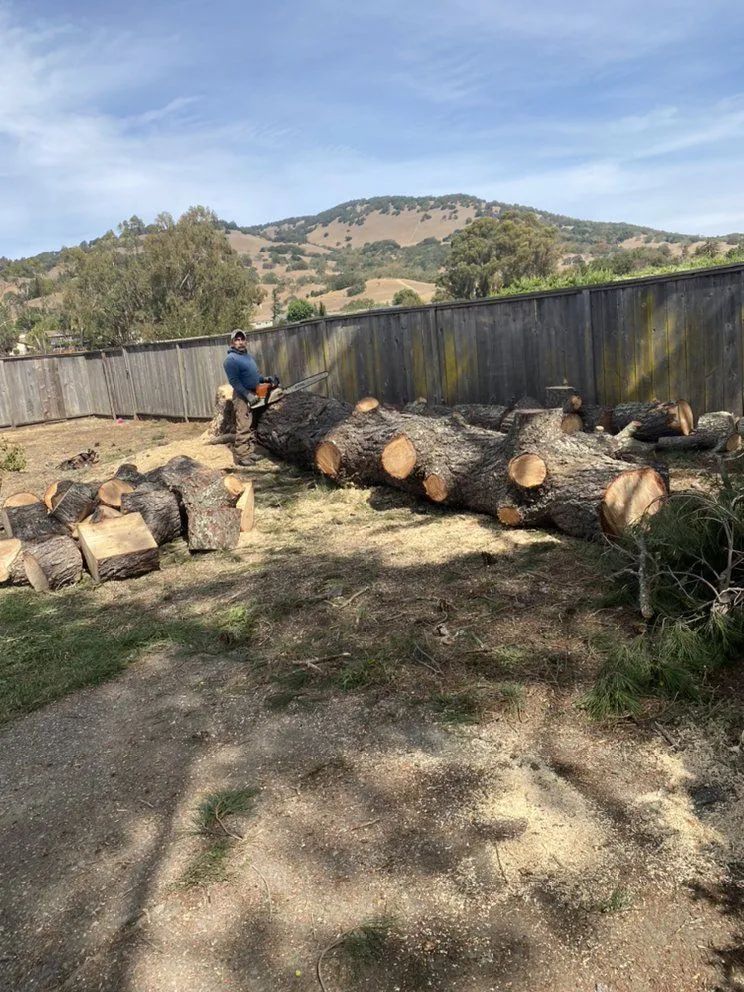
Not all trees can be salvaged. Severe disease, extensive decay, or structurally compromised trees may require removal. Commercial tree services evaluate the risks versus benefits of preservation and removal, ensuring safety remains the priority.
Controlled and Safe Execution
Tree removal in commercial spaces requires precision and expertise to avoid collateral damage. Arborists use advanced rigging techniques, cranes, and safety equipment to remove hazardous trees without affecting surrounding structures, landscaping, or utilities.
Liability Reduction Through Proper Removal
Removing hazardous trees mitigates potential liability for property owners. Failing to remove a known risk exposes businesses to legal claims if damage or injury occurs. Documented tree removal by certified professionals serves as evidence of responsible risk management.
Example Scenario
A historic commercial building faced an oak tree with extensive root decay threatening the foundation. Professional removal prevented structural damage and eliminated the risk of injury to staff and visitors, demonstrating the critical role of proactive tree management.
5. Enhancing Commercial Property Value and Compliance
Aesthetic and Financial Advantages
Well-maintained trees contribute to curb appeal, attracting tenants, clients, and customers. Healthy trees enhance landscaping value and create a welcoming environment. Conversely, neglected trees can diminish property appeal, potentially reducing rental or resale value.
Regulatory Compliance
Commercial properties are often subject to municipal regulations regarding tree preservation, pruning, and removal. Certified arborists ensure compliance with local ordinances, permitting requirements, and environmental guidelines, minimizing the risk of fines or legal disputes.
Sustainability and Environmental Responsibility
Proper tree management supports sustainability initiatives, including stormwater management, carbon sequestration, and wildlife habitat preservation. Businesses adopting these practices can leverage green certifications and corporate responsibility programs, aligning property management with broader environmental goals.
Real-World Implication
A corporate campus implemented a comprehensive tree care program, including inspections, pruning, and selective removal. The initiative reduced liability incidents, enhanced safety, and improved the campus’ overall visual and environmental appeal, resulting in higher employee satisfaction and positive public perception.
6. Best Practices for Commercial Tree Management
Developing a Tree Management Plan
A proactive tree management plan includes regular inspections, scheduled pruning, root and soil care, and emergency response protocols. Clear documentation ensures accountability and provides a roadmap for risk mitigation.
Engaging Certified Professionals
Certified arborists bring expertise in tree biology, risk assessment, and safe operational procedures. Hiring licensed professionals ensures that tree care interventions are safe, effective, and legally defensible.
Emergency Response Preparedness
Commercial properties should have contingency plans for storm damage, falling limbs, or sudden tree failures. Professional tree services often offer 24/7 emergency response, ensuring quick action to minimize damage and liability.
Education and Awareness
Training property managers and maintenance staff on identifying early signs of tree distress can complement professional services. Simple observations, such as leaf discoloration, cracks, or unusual growth patterns, can trigger timely inspections.
Cost Optimization and Strategic Planning
Long-term tree care reduces unplanned expenditures and supports sustainable landscaping investment. By balancing maintenance, pruning, and removal decisions with property design and safety requirements, businesses protect both financial and physical assets.
Expert Arborists Ensuring Safety and Property Protection
Effective tree management is a critical component of commercial property maintenance. From structural assessments and pruning to disease control and emergency removal, professional tree services provide actionable solutions that protect property, enhance safety, and minimize liability risks. Routine inspections, preventive care, and documentation not only prevent costly damage but also ensure compliance with legal and municipal requirements, safeguarding both the business and its patrons. By adopting best practices, commercial property owners can preserve the health of their trees while mitigating potential hazards, fostering a secure, attractive, and sustainable environment.
Mayan Climber Tree Service Inc.
based in Novato, California, has been a trusted partner in commercial tree care for 34
years. With extensive experience in risk assessment, pruning,
tree removal, and emergency services, the company delivers professional, reliable, and safety-focused solutions. Their certified arborists provide tailored strategies to protect properties and minimize liability, while ensuring compliance with local regulations. Businesses relying on Mayan Climber Tree Service benefit from proactive, expert management that preserves the aesthetic and functional value of trees, safeguarding investments, staff, and clients alike.