
Dead Oak From Sudden Oak Death? When Removal Is the Only Safe Option
Quick Answer: An oak killed or badly weakened by sudden oak death does not always have to come down to stop the disease, because oaks rarely spread the pathogen themselves. It has to come down when it is a safety problem. Once the crown has browned out, the trunk is riddled with beetle holes, or decay fungi have moved into the wood, the tree can drop limbs or fail at the base with little warning, and the dead wood also adds fuel near your home. The deciding factors are what the tree could hit, how much sound wood remains, and whether the failure risk can be reduced by pruning. If the oak stands over a house, driveway, play area, or power line, an arborist should assess it soon, and removal is often the only dependable way to make the site safe.
One week the coast live oak at the edge of your yard looks a little thin. A few weeks later, the leaves along an entire section of the crown have turned the color of dry tea, and they are still hanging on the branches. You walk closer and notice dark, sticky stains running down the trunk, and a fine dusting of sawdust like powder collecting at the base. By the end of the summer, the whole tree is brown.
If you live in Marin or Sonoma County, you may already suspect what happened. Sudden oak death has been moving through the region's oak woodlands for years, and the oaks that shade so many properties here are among the trees it can affect. The harder question is the one that comes after: now that the tree is dead or dying, do you have to remove it, how fast, and how do you know when waiting is no longer safe?
What Sudden Oak Death Actually Does to an Oak
Sudden oak death is caused by Phytophthora ramorum, a water mold that arrived from outside California and now infects several native trees. Trunk cankers have been found on coast live oak, Shreve's oak, California black oak, canyon live oak, and tanoak, with tanoak being the most likely to be infected and killed.
It Infects the Trunk, Not the Leaves, of the Oak
The pathogen creates trunk cankers that disrupt water and nutrient movement, causing sudden crown decline even when foliage initially appears healthy.
The Timeline Varies by Tree
Tanoaks often die within one to two years, while coast live oaks may survive three to four years or longer.
Bay Laurel Is the Usual Source
California bay laurels spread spores from infected leaves to nearby oaks, making trees growing beneath or beside them more vulnerable.
Other Organisms Finish the Job
Stressed oaks attract ambrosia beetles and Hypoxylon fungus, which accelerate decline and weaken structural wood, increasing the risk of failure.
The Signs You Are Looking at an Oak in Serious Trouble
Because several problems can cause oaks to fail, it helps to know which signs point to sudden oak death and its aftermath.
Bleeding Cankers
Dark reddish or black ooze seeps from lower trunk bark, leaving sticky stains that eventually dry into crusty residue.
Sudden Crown Browning
Leaves turn brown across entire trees or large sections, often remaining attached to branches despite widespread discoloration.
Beetle Activity
Small round bark holes and fine, powdery sawdust called frass indicate wood-boring beetle activity around trunks.
Hypoxylon Fungus
Crusty pinkish, tan, charcoal gray, or black patches indicate dead wood deteriorating beneath affected bark.
A Tree That Stays Brown and Drops Limbs
Dead oaks develop brittle, decaying branches that break away unexpectedly, creating serious hazards around homes and walkways.
An important point: only a lab test can confirm sudden oak death. Bay laurel leaves are usually the easiest sample, and your local Agricultural Commissioner or UC Cooperative Extension office can explain how to submit one. Whether or not the diagnosis is confirmed, though, a dead or dying oak above your home needs the same safety assessment.
TIP: Take dated photos of the trunk, the crown, and the base every few weeks. Include close ups of any ooze, beetle holes, or crusty patches. If you call an arborist, your photos show how quickly the tree has changed, and that pace can help decide whether the situation is urgent.
Why a Dead Oak Becomes a Safety Problem
An oak is a heavy tree. Even a mid sized coast live oak carries a very large amount of wood, and as the tree dies, that weight does not go away. What changes is the strength that holds it up.
Dry, Brittle Limbs
Dead branches lose flexibility and snap easily, potentially dropping heavy limbs or swinging dangerously during breakage.
Decay in the Trunk
Beetles and fungi cause internal rot, weakening trunk wood even when the exterior appears intact.
Root and Base Weakness
Decaying roots reduce stability, increasing tree failure risks during wet winters when saturated soil weakens root grip.
Unpredictable Timing
Some dead oaks stand for years, while others collapse during strong winds without warning.
Wildfire Fuel
Dead oaks provide dry fuel near homes and driveways, increasing wildfire risks during dry seasons.
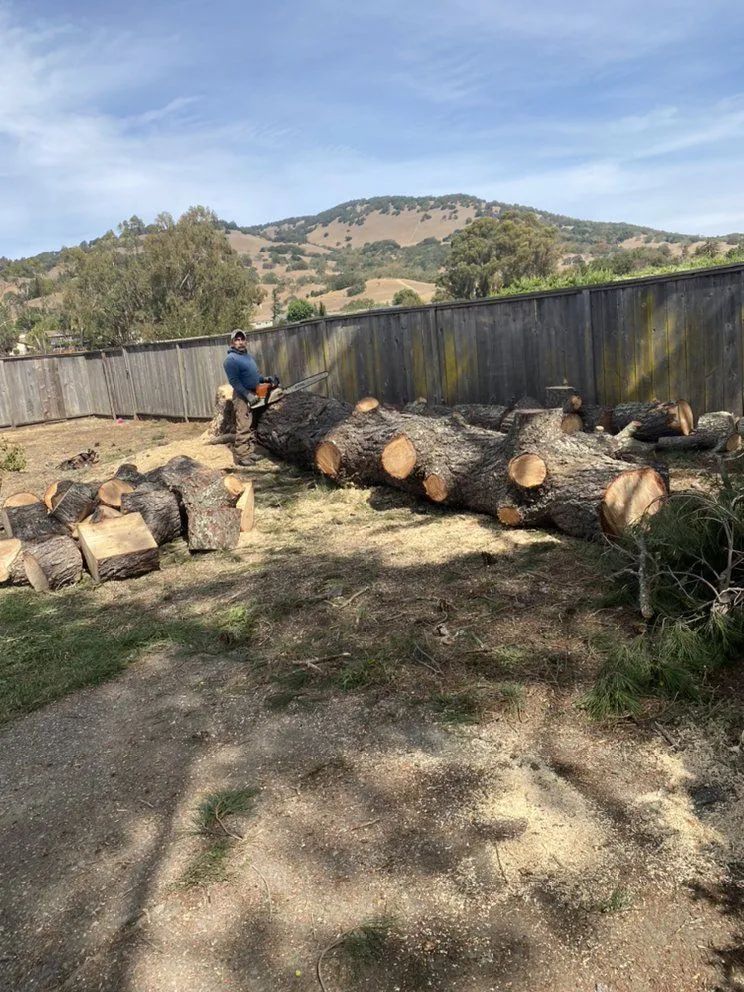
When Removal Is the Only Safe Option
Removal is not the answer for every sick oak. A tree can be sick without being an immediate threat. But there are situations where nothing short of taking the tree down makes the site safe.
The Tree Is Dead or Nearly Dead and Has a Target
Remove dead oaks threatening roofs, driveways, fences, patios, or play areas because pruning cannot restore structural strength.
Decay Has Reached the Trunk or Base
Hollow wood, extensive fungal patches, beetle damage, or crumbly tissue indicate serious structural deterioration requiring professional assessment.
The Tree Leans or the Soil Is Moving
A worsening lean, raised soil, or ground cracks around the base may indicate dangerous root instability.
Large Limbs Are Failing Repeatedly
Repeated branch failures suggest widespread wood deterioration and increasing risks to people, property, and surrounding structures.
Pruning Cannot Remove Enough of the Risk
When safe pruning requires removing most of the crown, complete
tree removal may offer better protection.
Warning: Do not try to cut down or climb a dead oak yourself. Dead wood can break without warning, and a trunk that looks solid may be hollow. Falling limbs, kickback, and a tree that does not fall the way you planned are what injure homeowners every year. Large oak removal near structures or power lines belongs to trained climbers with proper rigging.
When You Might Have Other Options
There are cases where a careful approach can reduce risk without removal. An arborist will weigh these honestly.
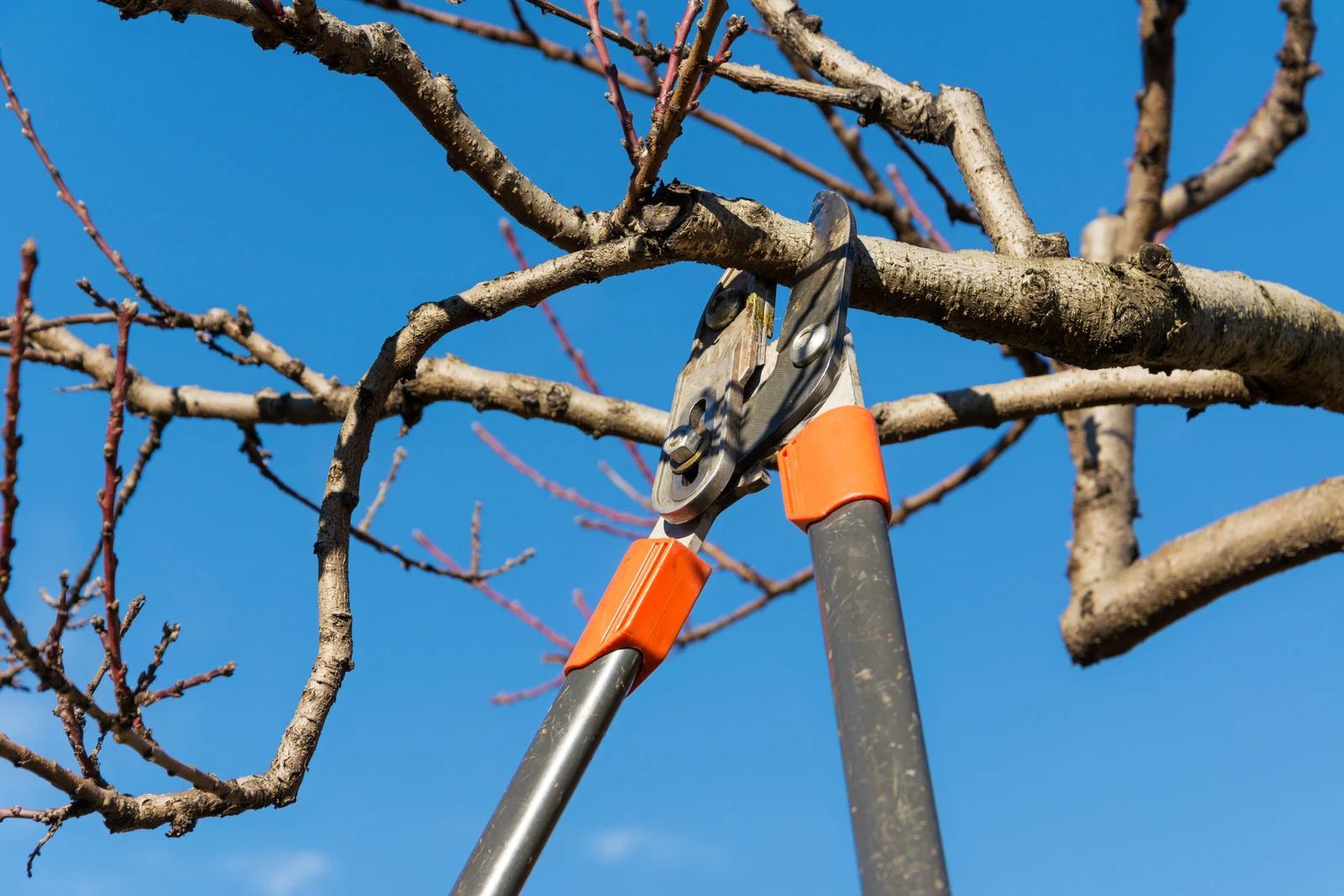
Crown Cleaning and Reduction
Remove dead branches and shorten heavy limbs to reduce loads, hazards, and fire risks.
Monitoring
Dead trees in open areas without nearby targets may remain standing with regular safety monitoring.
Protecting the Healthy Oaks Nearby
Preventive phosphonate treatments may protect healthy oaks near infected bay laurels but cannot cure dying trees.
What to Do Right Now
If you have a dead or declining oak, these steps keep people and property safer while you make a plan.
Keep People and Vehicles Away
Establish a safety buffer beyond the longest limb and avoid parking beneath the tree.
Do Not Move the Wood Far
Keep infected wood and chips onsite when possible. If removal is necessary, tarp materials and transport them to a landfill.
Schedule an Assessment Before the Wet Season
Arrange a fall inspection before saturated soil and winter winds increase the risk of weakened oak failure.
Ask About the Whole Site
Assess nearby bay laurels, dead wood, and potential limb fall paths during the same property inspection.
Frequently Asked Questions
Do I have to remove an oak that died of sudden oak death?
Not to stop the disease. Oaks rarely spread it, so removal is not generally needed for that reason alone. You should consider removal when the tree could hurt people or damage property, or when decay has made it structurally unsound.
How long can a dead or dying oak stand safely?
There is no dependable timeline. Some stand for years, and some come down within a season. Decay, beetle damage, and soil conditions all play a part, and the only reliable way to know is an inspection by an arborist.
Is every brown oak a sign of sudden oak death?
No. Drought stress, root rot, other fungi, and borers can cause similar browning. Only a lab test can confirm sudden oak death, but a dead oak near your home needs a safety assessment either way.
Can a treatment save an oak that is already sick?
Generally no. The approved treatment is preventive, intended for healthy oaks near infected bay laurel, and it does not reverse an established infection. If the tree has bleeding cankers and a browning crown, the focus is usually safety rather than rescue.
Should I cut down the bay laurel trees near my oaks?
It depends on the site. Removing bay leaves or trees close to a healthy oak may lower infection risk, but bay laurels are also valuable native trees. An arborist can help you decide which ones matter for protecting oaks worth saving.
What should I do with the wood after the tree comes down?
Keep it on your property if you can, as firewood, mulch, or chips. If it must leave, cover it or bag it and take it to a landfill. Moving untreated oak material over long distances is the main way the disease reaches new areas.
Knowing When a Sick Oak Becomes Unsafe
Disease is only part of the picture, since the bay laurels nearby and the dead wood around the property deserve a look as well. Mayan Climber Tree Service Inc.
has spent 34
years caring for trees in Novato, and that time has shown that the safest outcomes come from assessing the trunk, base, and crown before the wet season arrives. Once the hazard is gone, the space is ready for something healthy to grow in its place.