
Ladder Fuels Explained: The Hidden Wildfire Risk in Novato's Oak Woodlands
Quick Answer: Ladder fuels are the low branches, shrubs, tall grass, and dead vegetation that create a continuous path from the ground into a tree's canopy. Once fire reaches the canopy of an oak or bay tree, it burns hotter, spreads faster, and throws embers well ahead of the flame front, a pattern that has driven ember exposure into Novato's hillside neighborhoods during past Diablo wind events. CAL FIRE spacing guidelines call for pruning lower branches to a height equal to at least three times the height of the shrubs beneath them, with 6 to 10 feet of clearance from the ground on mature trees. Breaking the ladder does not mean stripping a property bare. Targeted pruning, deadwood removal, and canopy spacing accomplish the same protection while keeping trees healthy.
A grass fire moving across an open hillside behaves differently once it reaches a stand of oak and bay trees with low branches hanging into the brush below. Instead of staying low and slow, the fire climbs. Flames follow the unbroken chain of dry grass, shrubs, and low limbs upward until they reach the canopy, and a fire burning in the treetops moves faster, burns hotter, and starts throwing embers well ahead of itself. That vertical chain of fuel is what fire scientists call a ladder fuel, and research on California wildfires has found it to be one of the more consistent predictors of fire severity, in some studies a stronger indicator than the total volume of vegetation on a property.
For homeowners in Novato and across Marin County, this matters more than the national averages suggest. The city sits at the edge of a grass-oak woodland interface, backed by Mt. Burdell, Stafford Lake, and the Indian Valley open space, and much of the surrounding terrain runs through canyons and hillside lots where dense native vegetation meets residential development directly. Add the Diablo winds that funnel through the Petaluma Gap during fire season, and a fire that reaches the canopy has both the fuel structure and the wind to carry embers into neighborhoods well ahead of the visible flame front.
What Actually Counts as a Ladder Fuel
Ladder fuels are not one specific plant. They are any combination of live or dead vegetation that bridges the gap between the ground and a tree's lowest branches. On a typical Marin County property, that usually includes:
Low-Hanging Tree Limbs
Branches that sag into surrounding brush or grass give a ground fire a direct route upward.
Shrubs And Understory Growth Beneath Trees
Dense shrub layers act as kindling, especially where they touch or nearly touch the canopy above.
Tall Or Dry Grass
Grass that grows unchecked around the base of a tree connects surface fuel to whatever hangs above it.
Vines And Climbing Growth
Ivy and similar plants climbing a trunk create a fuse straight into the branches.
Dead Wood And Debris
Fallen limbs, needle drape, and accumulated bark caught in lower branches all add fuel exactly where the ladder effect happens.
Volunteer Trees And Dense Regrowth
Young trees sprouting beneath a mature canopy fill in the vertical gap that would otherwise slow a fire down.
Why Novato's Terrain Raises the Stakes
Marin County's fire risk is concentrated in its hilly areas, and much of that terrain sits west of the Highway 101 corridor where oak savanna gives way to dense oak and bay woodland, and in some pockets, stands of coastal redwood and eucalyptus. Eucalyptus in particular carries a well-documented history of intense, fast-moving fire behavior along the California coast, and even a small, contained blaze in a eucalyptus grove near Bolinas was described by county fire officials as one that would have threatened nearby structures with flying embers had it occurred later in the day or later in the season.
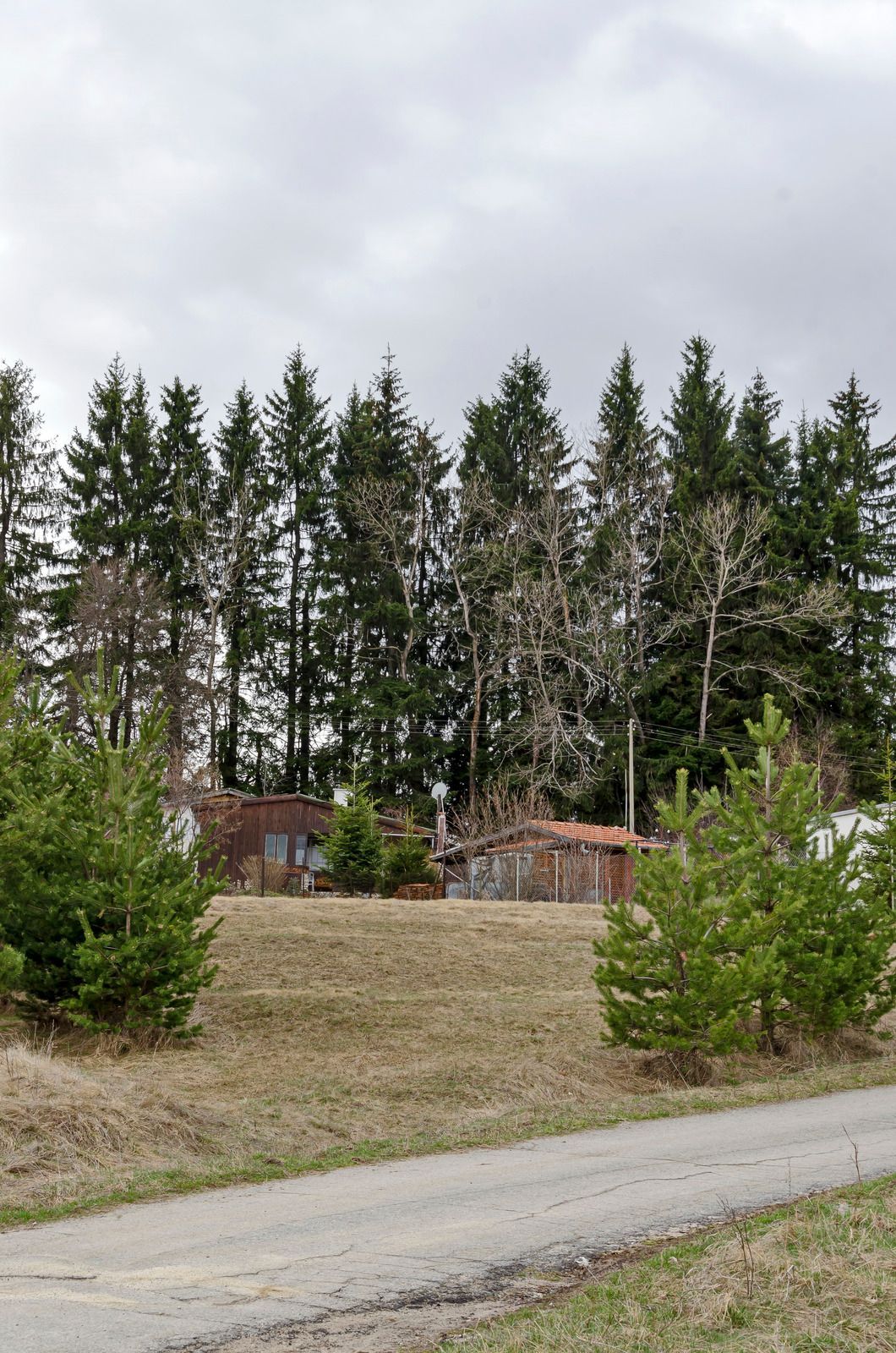
Novato's own hillside neighborhoods back directly onto this kind of vegetation. Local agencies have recognized the risk enough to fund a multi-year shaded fuel break spanning roughly 60 miles around the city, focused specifically on removing the low-lying vegetation and debris that let ground fires climb into the canopy and start throwing embers into residential areas. That kind of large-scale project reduces risk at the neighborhood level, but it does not replace what needs to happen on an individual property. A shaded fuel break a few hundred feet away does little for a home if the oak trees in the backyard still have brush and deadwood packed against their trunks.
The Spacing That Breaks the Ladder
Fire behavior researchers and CAL FIRE both point to the same underlying principle: fire needs continuity to spread, so removing that continuity, both vertically and horizontally, slows it down or stops it outright. The commonly cited spacing guidelines include:
Vertical Clearance From Shrubs o Branches
Lower limbs should be pruned to a height at least three times the height of the shrubs growing beneath them. A five-foot shrub calls for roughly fifteen feet of clearance to the nearest branch above it.
Ground Clearance On Mature Trees
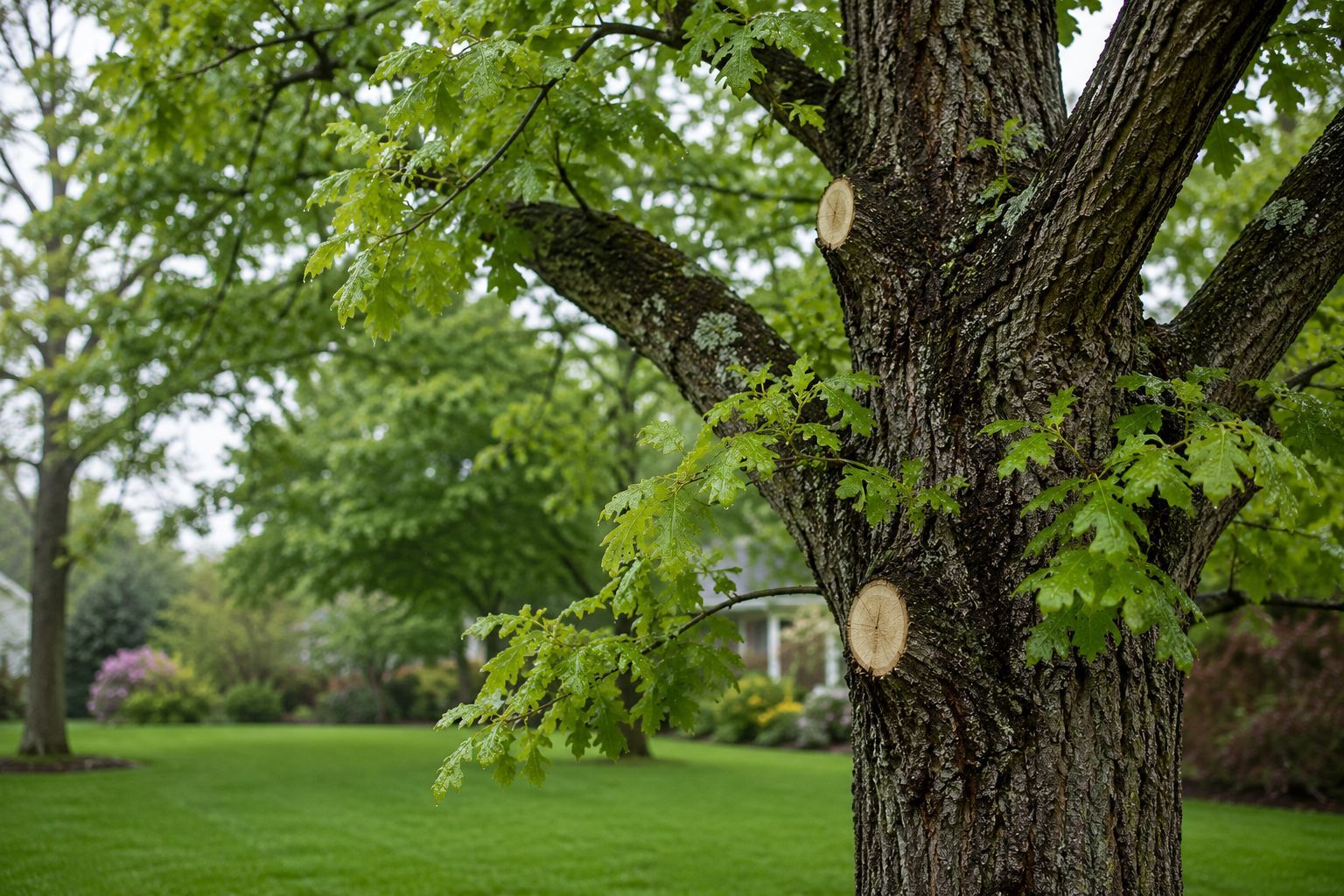
Trees without shrubs growing underneath should generally be limbed up to at least 6 feet from the ground, and sources working directly with defensible space projects often recommend up to 10 feet depending on the tree and its surroundings.
Horizontal Spacing Between Shrubs
On flat ground, shrubs should be spaced roughly twice their height apart. On moderate slopes, common throughout Novato's hillside lots, that spacing increases to four times the shrub height, and on steep slopes it can reach six times.
Canopy-To-Canopy Spacing Between Trees
A gap of roughly 10 feet between tree canopies on flat ground, widening to 20 feet or more on sloped terrain, helps prevent fire from jumping directly from one crown to the next.
These numbers are guidelines rather than a formula that fits every property. Slope, tree species, prevailing wind exposure, and how a lot sits relative to open space all change what the right spacing looks like in practice.
Where Ladder Fuel Reduction Commonly Gets Missed
Most property owners understand the basic idea of clearing brush, but a few things tend to slip through:
Ivy And Climbing Vines Left On Trunks
These are one of the most overlooked ladder fuels because they do not read as brush. A vine-covered trunk is still a direct fuel path into the canopy.
Firewood And Debris Piles Stacked Near Tree Bases
Even neatly stacked wood functions as ground fuel positioned right at the base of the ladder.
Deadwood Left Inside The Canopy
Dead branches within a tree's own crown are often ignored because they are not touching the ground, but they still add fuel exactly where fire behavior becomes dangerous.
Volunteer Growth Beneath Established Trees
Young trees and shrubs that sprout on their own beneath an oak or bay canopy quietly rebuild the ladder within a season or two.
Eucalyptus Bark Litter
Eucalyptus sheds long ribbons of bark that accumulate at the base of the tree and burn readily, adding a fuel source that many other species do not.
How Mayan Climber Approaches Ladder Fuel Removal
At Mayan Climber Tree Service Inc., ladder fuel reduction is treated as its own discipline within a property's broader fire abatement plan, not an afterthought to general tree trimming. The process starts with a property assessment that looks specifically at vertical fuel continuity: which trees have brush growing against their trunks, where branches sag into surrounding vegetation, and how slope and wind exposure affect the right spacing for that particular lot.
From there, the work typically combines several of the following, depending on what the assessment finds:
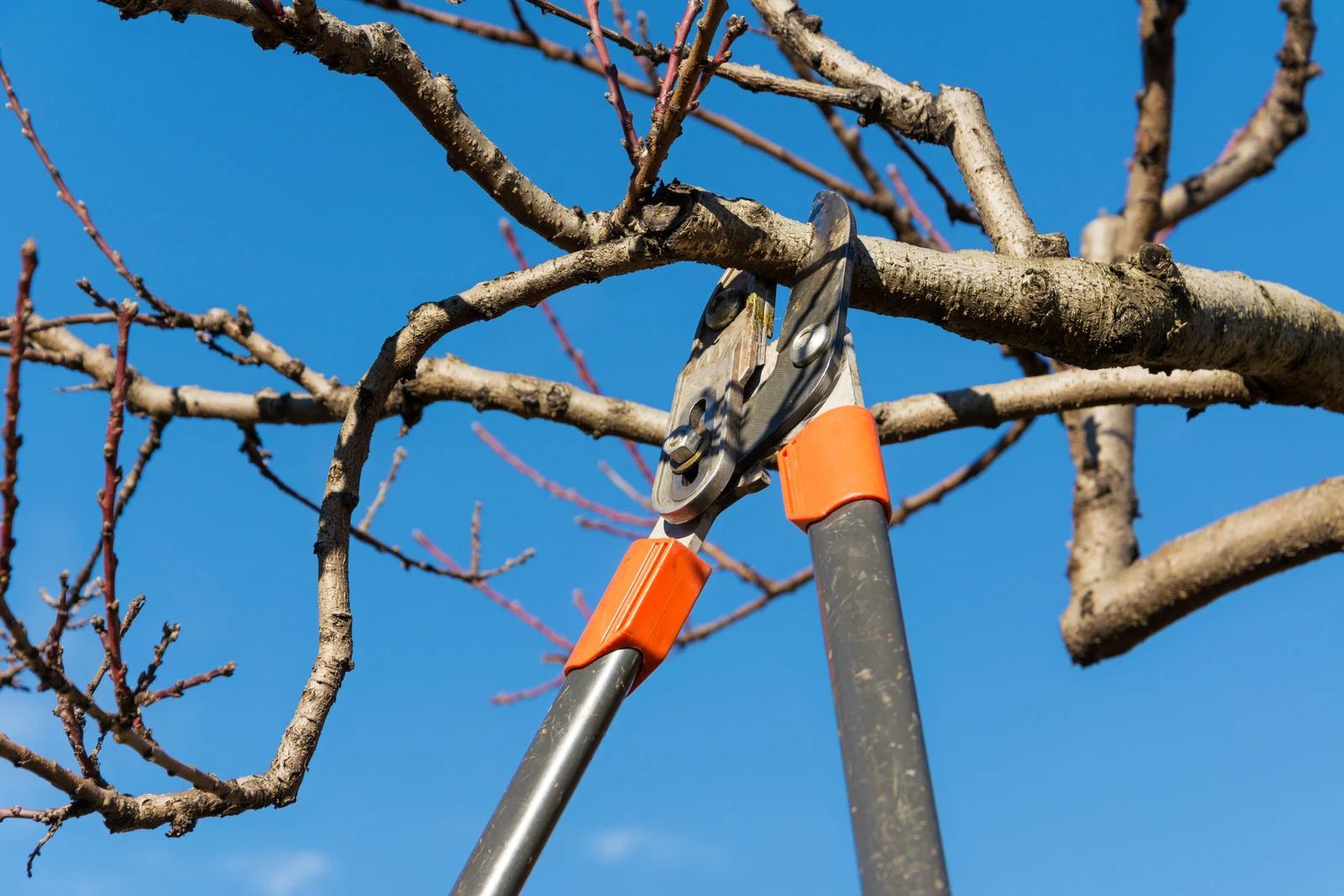
-Branch elevation, removing the lowest limbs on mature trees to restore ground clearance
-Deadwood removal, clearing dead branches from within the canopy itself, not just the ground beneath it
-Tree spacing, thinning or repositioning vegetation to restore horizontal separation between crowns
-Firewise landscaping, replacing dense understory growth with lower-fuel plantings where appropriate
With 34 years in the tree care industry, the team has worked across enough Marin County terrain, from flat residential lots to steep hillside parcels backing onto open space, to recognize that a single spacing formula rarely applies evenly across an entire property. A ladder fuel plan for a eucalyptus grove looks different from one built around a mature oak with light understory.
Ladder Fuels Regrow, So the Work Does Too
Clearing ladder fuels once is not a permanent fix. Vegetation regrows, wind knocks down new deadwood, and volunteer seedlings fill in cleared space within a season or two. The window between late winter and early summer tends to be the most practical time to do this work, since vegetation is still manageable and the clearing is finished before the driest months and the strongest wind events arrive. Property owners who treat ladder fuel management as an annual task, rather than a one-time project, are the ones who keep the protection they paid for.
Frequently Asked Questions
What is the difference between a ladder fuel and normal brush?
Not all brush is a ladder fuel. The distinction is continuity. A cluster of low shrubs sitting several feet away from the nearest tree canopy is brush. That same cluster growing directly beneath a tree, touching or nearly touching its lowest branches, becomes a ladder fuel because it gives fire a direct route from the ground into the crown.
How high should tree branches be pruned to break a ladder fuel connection?
The general guideline is a height at least three times the height of the shrubs or grass beneath the tree, with a minimum ground clearance of roughly 6 to 10 feet on mature trees with no understory. The exact height depends on slope, nearby vegetation, and how close the tree sits to a structure.
Do oak and bay trees carry different ladder fuel risks than eucalyptus?
Yes. Native oak and bay woodland typically burns less readily when kept clear of underbrush and deadwood, since the wood itself is harder to ignite without heavy fuel loading beneath it. Eucalyptus sheds bark and oil-rich leaf litter that accumulates at the base of the tree, creating a persistent ground fuel source that requires more frequent clearing.
Will removing ladder fuels damage the health of my trees?
Not when it is done correctly. Ladder fuel reduction focuses on removing dead wood, low limbs, and competing understory growth, work that generally supports tree health rather than harming it. Over-pruning a healthy tree's live canopy in a single season can stress it, which is why an assessment-driven approach matters more than blanket clearing.
How often does ladder fuel clearing need to happen in Marin County?
Most properties need a maintenance pass at least once a year, typically before the dry season begins. Faster-growing vegetation, properties adjacent to open space, or lots with eucalyptus may need more frequent attention since regrowth and bark litter accumulate quickly.
Does breaking up ladder fuels mean removing most of the trees on my property?
No. The goal is spacing and clearance, not elimination. A well-executed plan removes the vegetation and low branches that connect ground fuel to canopy fuel while preserving healthy trees and the overall character of the property.
Breaking the Fuel Ladder Before Fire Season
Novato's hillside lots back directly onto oak and bay woodland, which makes this work more than a seasonal chore.
Mayan Climber Tree Service Inc., based in Novato with 34
years of experience reading Marin County's terrain, builds ladder fuel plans as part of its
fire abatement service, shaped around each property's slope, vegetation, and wind exposure. Property owners who revisit this work every year, before the grass dries and the winds return, are the ones whose trees and homes hold up when fire season arrives.