
The Importance of Regular Tree Maintenance for Businesses
Trees are more than just natural elements enhancing the aesthetic appeal of a business property—they are strategic assets that influence safety, operational efficiency, and environmental impact. For commercial properties, the presence of well-maintained trees can enhance curb appeal, improve employee and customer experience, and even contribute to energy savings by providing shade and wind protection. However, without regular attention, trees can become liabilities, posing risks such as property damage, safety hazards, and legal complications.
In today’s business landscape, tree maintenance is no longer an optional task but a necessary aspect of property management. From assessing tree health to implementing structured pruning schedules, businesses must adopt proactive strategies to safeguard their investments. Regular maintenance not only ensures that trees remain healthy and visually appealing but also extends their lifespan, reduces emergency costs, and supports sustainability goals. This article explores why routine tree care is critical for businesses, outlining actionable insights, practical strategies, and expert reasoning that help commercial properties optimize the benefits of their green assets while mitigating potential risks.
Enhancing Safety and Minimizing Liability
Identifying Potential Hazards
One of the most pressing reasons for regular tree maintenance is safety. Trees that are neglected may develop structural weaknesses such as cracked branches, hollow trunks, or root instability. These conditions increase the risk of falling limbs or toppled trees, which can damage buildings, vehicles, or outdoor equipment. In extreme cases, they may even injure employees, customers, or passersby, exposing businesses to liability issues.
Regular inspections by certified arborists allow businesses to identify and mitigate these hazards before they escalate. Arborists can detect early signs of disease, pest infestation, or structural compromise that might not be visible to the untrained eye. Implementing a proactive maintenance schedule ensures that trees remain structurally sound, reducing the likelihood of accidents.
Case Study: Preventing Property Damage
Consider a commercial office complex with large, mature trees lining its parking area. Without routine pruning, overgrown branches could encroach on vehicles or obstruct walkways. By scheduling seasonal inspections and selective pruning, the property management team minimizes the risk of damage during storms, ensuring the safety of tenants and visitors. This approach not only preserves the company’s assets but also maintains a reputation for diligence and responsibility.
Promoting Tree Health and Longevity
Routine Care Practices
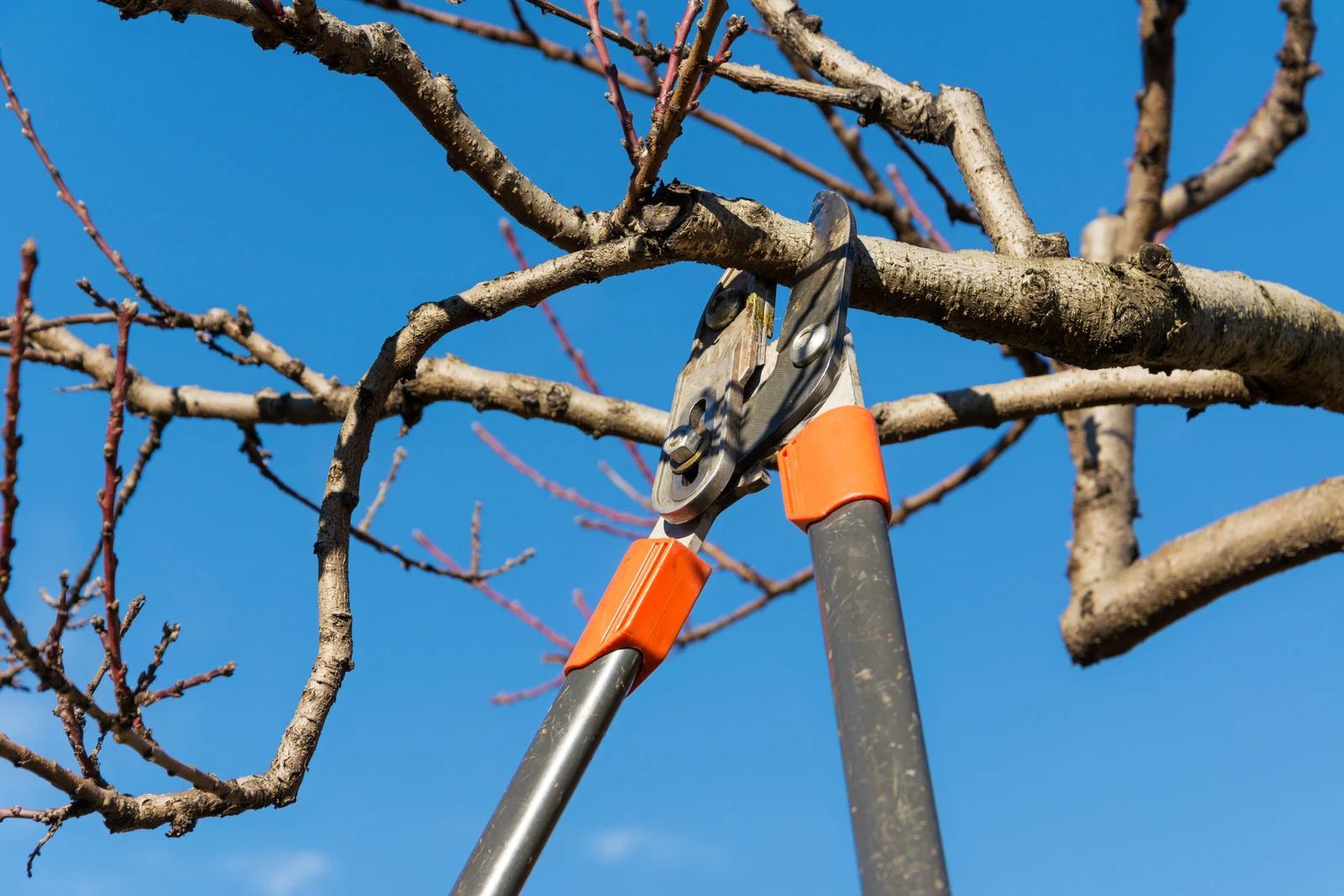
Trees require consistent care to thrive in a commercial environment where soil compaction, pollution, and limited space can challenge their growth. Regular practices such as pruning, fertilization, mulching, and irrigation help maintain tree health and encourage proper development. Pruning removes dead or diseased branches, improves airflow, and allows sunlight to reach the canopy effectively, preventing the spread of infections.
Fertilization provides essential nutrients that may be lacking in urban soils, supporting robust growth. Mulching around the base of trees conserves moisture, regulates soil temperature, and prevents weed competition. Meanwhile, well-managed irrigation ensures that trees receive adequate water without contributing to root rot or waterlogging.
Expert Insights
Arborists recommend conducting a comprehensive tree health assessment at least once a year. During these assessments, specialists examine the tree’s structure, root system, and foliage, offering actionable recommendations for maintenance. For example, identifying a minor fungal infection early allows for targeted treatment, preventing large-scale decline that could be costly and dangerous. Businesses that follow these practices extend the lifespan of their trees, preserve property value, and minimize the need for expensive emergency interventions.
Boosting Aesthetic Appeal and Brand Image
First Impressions Matter
The exterior of a commercial property is often the first point of interaction for clients, customers, and visitors. Well-maintained trees signal professionalism, attention to detail, and environmental consciousness. Lush, vibrant trees enhance curb appeal, improve outdoor spaces, and create an inviting atmosphere that positively influences perceptions of the business.
Conversely, neglected trees can appear unsightly, with overgrown or dead branches detracting from the overall image. Such visuals may suggest poor management practices, potentially impacting client confidence and employee morale. Regular pruning, shaping, and seasonal clean-up ensure that trees consistently contribute to a polished, welcoming environment.
Landscape Integration
Tree maintenance should be part of a broader landscape strategy. Coordinating tree placement, size, and form with other elements such as shrubs, pathways, and lighting creates a cohesive aesthetic that reinforces the brand’s visual identity. For example, a retail plaza with strategically pruned trees framing pedestrian pathways enhances shopper experience, encourages longer visits, and supports revenue generation. This integration demonstrates that tree care is both an operational necessity and a marketing tool.
Environmental and Operational Benefits
Energy Efficiency
Trees play a crucial role in regulating microclimates around commercial properties. Strategically planted and well-maintained trees provide shade, reducing cooling costs during hot months. Proper pruning ensures that sunlight can reach buildings in winter, contributing to natural heating. Over time, these energy-saving measures translate into measurable reductions in operational expenses while supporting sustainability initiatives.
Stormwater Management and Soil Stabilization
Maintaining healthy trees also helps manage environmental challenges. Tree roots absorb significant amounts of water, reducing runoff and mitigating the risk of soil erosion around parking lots, sidewalks, and building foundations. By regularly monitoring root health and soil conditions, businesses can prevent water-related property damage while enhancing ecosystem resilience.
Supporting Urban Biodiversity
Regular tree maintenance fosters a thriving habitat for birds, insects, and beneficial microorganisms. Maintaining species diversity in a business landscape contributes to ecological balance, reduces the prevalence of pest outbreaks, and aligns with corporate sustainability commitments. For organizations seeking environmental certifications or green building recognition, documented tree care practices demonstrate measurable efforts toward responsible land stewardship.
Compliance and Regulatory Considerations
Legal Requirements
Businesses must remain aware of local regulations regarding tree preservation, removal, and pruning. Many municipalities in urban areas enforce ordinances that protect mature or historically significant trees, requiring permits for removal or major trimming. Failure to comply with these regulations can result in fines, litigation, or reputational damage.
Mitigating Liability
Regular tree maintenance supports compliance by documenting the proactive care provided. For instance, scheduling seasonal inspections and keeping records of pruning, fertilization, and pest management shows due diligence in minimizing hazards. In legal disputes arising from tree-related incidents, this documentation can serve as evidence that the business exercised reasonable care, potentially mitigating liability claims.
Industry Standards
Adhering to professional standards, such as those set by the International Society of Arboriculture (ISA), ensures that tree maintenance practices are safe, effective, and consistent. Certified arborists follow these guidelines to implement pruning techniques, assess structural stability, and manage tree health, offering businesses confidence in the quality and legality of their maintenance programs.
Best Practices and Implementation Strategies
Developing a Maintenance Plan
Creating a structured tree maintenance plan is essential for consistent care. Businesses should assess tree species, age, location, and growth patterns to determine appropriate schedules for inspections, pruning, fertilization, and irrigation. High-traffic areas and zones near buildings require more frequent attention due to elevated safety risks.
Choosing Qualified Professionals
Hiring certified arborists or tree care companies ensures expertise in tree health assessment, pruning techniques, and emergency interventions. Professionals can provide tailored recommendations based on the specific needs of each tree, from disease management to canopy shaping, ensuring that care is both effective and safe.
Seasonal Considerations
Trees respond differently to seasonal changes, making timing critical for maintenance activities. For instance, winter pruning may be ideal for certain species to encourage spring growth, while summer inspections help identify pest infestations or drought stress. Adapting maintenance schedules to seasonal cycles maximizes tree health and longevity while minimizing disruption to business operations.
Monitoring and Documentation
Maintaining detailed records of tree care activities provides insights into trends, recurring issues, and long-term health outcomes. Monitoring includes documenting growth patterns, pest occurrences, pruning activities, and fertilization schedules. These records guide decision-making, support regulatory compliance, and ensure that future interventions are informed and effective.
Cost-Benefit Analysis
While regular tree maintenance requires investment, the long-term benefits outweigh initial costs. Well-maintained trees reduce emergency pruning expenses, prevent property damage, enhance property value, and contribute to energy savings. Businesses that integrate tree care into their operational budgets often realize measurable returns in safety, aesthetics, and sustainability.
Regular tree maintenance is a vital component of responsible business property management. By focusing on safety, tree health, aesthetics, environmental benefits, and regulatory compliance, businesses can transform their landscapes into assets that support operational efficiency and brand reputation. Proactive care reduces liability, prevents costly emergencies, and ensures that trees continue to thrive for decades, providing shade, beauty, and ecological value. Implementing structured maintenance plans, working with certified professionals, and documenting care practices are essential steps toward maximizing these benefits.
Certified Professionals Enhancing Business Property Through Maintenance
Mayan Climber Tree Service Inc., based in Novato, California, has spent 34 years providing businesses with expert tree care solutions that combine safety, efficiency, and aesthetic enhancement. With extensive experience in commercial tree maintenance, the team understands the unique challenges faced by property managers, from mitigating risks near high-traffic areas to optimizing landscape design for maximum curb appeal. Their certified arborists offer tailored strategies, including routine inspections, pruning, fertilization, and pest management, ensuring that each tree remains healthy, safe, and visually appealing.
Businesses working with Mayan Climber Tree Service Inc.
benefit not only from their technical expertise but also from a client-focused approach that prioritizes clear communication, thorough documentation, and cost-effective solutions. Whether managing a corporate campus, retail center, or industrial site, the company delivers reliable, professional services that safeguard property assets, enhance brand image, and support long-term sustainability goals. For businesses seeking dependable tree maintenance that protects investments while promoting environmental stewardship, Mayan Climber Tree Service Inc.
stands as a trusted authority in the field.