
Why Regular Tree Trimming is Essential for Healthy Growth?
Trees play a vital role in enhancing residential and commercial landscapes by improving air quality, providing shade, increasing property value, and creating a more attractive outdoor environment. However, healthy trees require ongoing care to maintain strong structure, balanced growth, and long-term stability. One of the most important aspects of proper tree maintenance is regular tree trimming. Without scheduled trimming, trees can develop weak branches, overcrowded canopies, disease issues, and structural imbalances that threaten both the health of the tree and the safety of nearby property. Many property owners underestimate how quickly unmanaged growth can lead to larger problems that become expensive and difficult to correct later.
Regular tree trimming supports healthy development by removing damaged, diseased, and overgrown branches before they create serious complications. Proper trimming also encourages stronger branch formation, improves sunlight penetration, enhances airflow, and reduces stress placed on the tree during storms or seasonal weather changes. Understanding why routine trimming matters allows property owners to make informed decisions that protect both the beauty and structural integrity of trees for many years while supporting a safer and healthier outdoor environment.
Understanding How Tree Trimming Supports Healthy Development
Encouraging Strong Structural Growth
Tree trimming plays a major role in guiding the structural development of young and mature trees. During growth, trees naturally produce branches that compete for sunlight and space. Without maintenance, overcrowded limbs may weaken the overall structure and create uneven weight distribution throughout the canopy. Proper trimming helps shape the tree by removing competing branches and supporting balanced growth patterns.
Young trees especially benefit from early structural pruning because it reduces the likelihood of future defects. Weak branch unions, crossing limbs, and poorly positioned branches can eventually split or fail under pressure if left untreated. Strategic trimming encourages healthier branch spacing and improves long-term stability.
Trees that develop strong structure early often require fewer major corrective services later. This proactive approach protects both the health of the tree and the surrounding property while allowing trees to mature naturally with greater resilience.
Improving Nutrient Distribution
Overgrown trees require significant energy to support unnecessary branches and excessive foliage. When dead or weak limbs remain attached, the tree continues sending nutrients and moisture to sections that no longer contribute to healthy growth. Trimming removes these nonproductive areas and redirects resources toward stronger branches and healthier canopy development.
Improved nutrient distribution supports better leaf production, healthier bark, and stronger root systems. Trees that receive proper maintenance often display more vibrant foliage and stronger seasonal growth because resources are used more efficiently throughout the structure.
Regular trimming also reduces internal stress that develops when trees become excessively dense. By relieving unnecessary weight and competition, trees can focus energy on healthy development rather than struggling to sustain damaged or overcrowded limbs.
Preventing Disease, Decay, and Pest Infestations
Removing Diseased and Dead Branches
Diseased branches create serious risks for overall tree health. Fungal infections, bacterial decay, and internal rot can spread rapidly through the canopy if infected areas are not removed promptly. Dead branches also attract insects and pests that weaken the tree further over time.
Routine tree trimming allows early detection of potential health problems before conditions worsen. Arborists can identify signs of disease, cracking, hollow areas, or insect activity during inspections and remove affected limbs before the issue spreads throughout the tree.
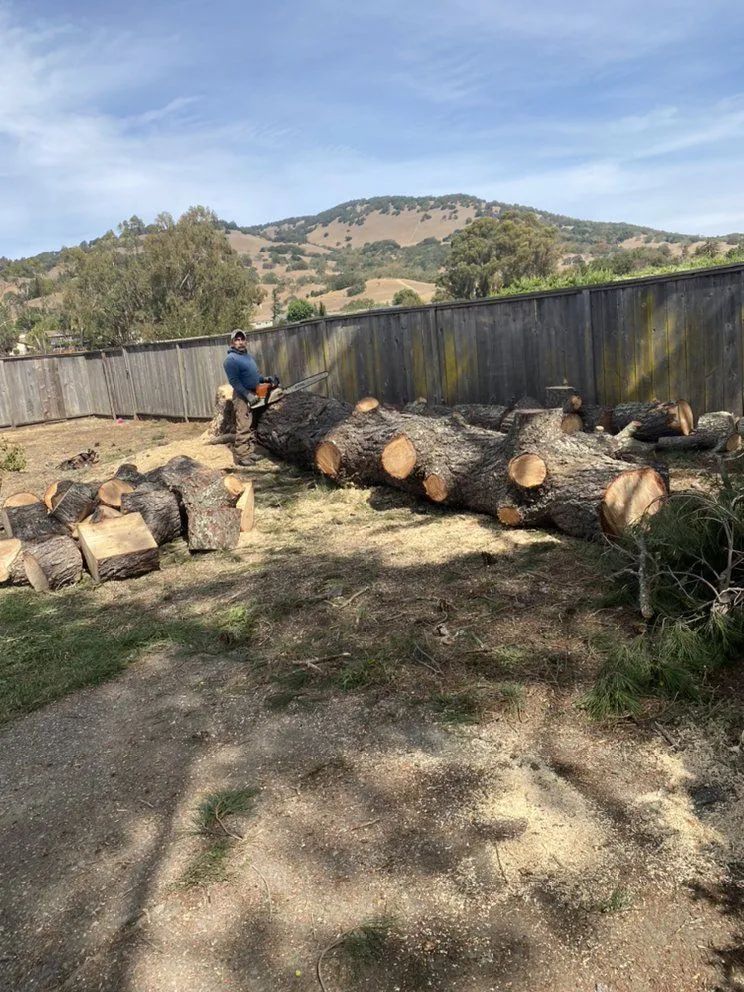
Deadwood removal is especially important because decaying limbs become unstable and hazardous. Falling branches can damage roofs, vehicles, fences, or landscaping while also creating safety concerns for pedestrians and nearby residents.
Improving Airflow and Sunlight Penetration
Dense canopies often trap moisture within the tree, creating an ideal environment for fungal growth, mildew, and pest activity. Poor airflow also limits the tree’s ability to dry after rain or irrigation. Trimming opens the canopy and improves air circulation between branches.
Better airflow reduces excess moisture buildup and helps prevent many common tree diseases. Increased sunlight penetration also strengthens internal foliage and promotes healthier growth throughout the canopy instead of only on outer branches.
Landscapes surrounding the tree benefit as well. Grass, plants, and shrubs beneath trimmed trees receive more natural light and healthier growing conditions. This contributes to a more balanced and visually appealing outdoor environment.
Enhancing Safety Around Residential and Commercial Properties
Reducing Storm Damage Risks
Overgrown or weakened branches pose major safety hazards during high winds, storms, and heavy rainfall. Limbs that appear stable under normal conditions may snap unexpectedly when exposed to severe weather. Trees with dense canopies are also more vulnerable to wind resistance, increasing the risk of branch failure or uprooting.
Regular trimming reduces these risks by eliminating structurally weak branches and decreasing excess canopy weight. Proper pruning allows wind to move more freely through the tree instead of placing intense pressure on large sections of the canopy.
Property owners who invest in routine maintenance often experience fewer storm-related damages because trees remain healthier and structurally balanced. Preventive trimming also lowers the likelihood of emergency tree removal after severe weather events.
Protecting Structures and Utility Lines
Trees planted near homes, garages, fences, and power lines require careful management to prevent interference with nearby structures. Branches that extend too close to roofs may scrape shingles, clog gutters, or create access points for pests. Limbs growing near utility lines can create electrical hazards and service disruptions.
Routine trimming maintains safe clearance between trees and surrounding structures. This reduces property damage while improving accessibility for maintenance crews and utility providers. Controlled growth also prevents branches from obstructing sidewalks, driveways, and roadways.
Commercial properties particularly benefit from scheduled trimming because overgrown trees can create liability concerns for customers, employees, and visitors. Maintaining safe and visually organized landscapes helps businesses present a professional appearance while reducing safety risks.
Improving Appearance and Property Value
Creating a Cleaner and More Attractive Landscape
Healthy, well-maintained trees contribute significantly to curb appeal. Overgrown branches, uneven canopies, and dead limbs create an unkempt appearance that affects the overall presentation of a property. Regular trimming improves symmetry, shape, and visual balance throughout the landscape.
Professional trimming enhances the natural beauty of trees without damaging their long-term health. Proper shaping creates cleaner lines and more organized growth while preserving the species’ natural appearance. Landscapes with trimmed trees often appear more spacious, inviting, and professionally maintained.
For residential properties, improved curb appeal can positively influence neighborhood appearance and homeowner satisfaction. Attractive outdoor spaces also encourage greater use of patios, gardens, and recreational areas.
Supporting Long-Term Property Value
Mature trees can increase property value when maintained properly. Buyers and property investors often view healthy landscaping as a valuable asset because established trees provide shade, beauty, and environmental benefits. However, neglected trees may become liabilities if signs of decay, overgrowth, or structural instability are visible.
Routine trimming protects this investment by maintaining tree health and preventing costly future problems. Property owners who prioritize landscape maintenance often avoid major repair expenses associated with fallen limbs, damaged roofs, or emergency removals.
Healthy trees also contribute to energy efficiency by providing strategic shade during warmer seasons. Properly maintained canopies help reduce direct sunlight exposure on buildings while supporting a more comfortable outdoor environment.
Understanding the Best Practices for Tree Trimming
Timing Tree Trimming Correctly
The timing of tree trimming significantly affects the health and recovery of the tree. Different species respond better to trimming during certain seasons based on growth cycles, dormancy periods, and environmental conditions. Trimming at the wrong time may increase stress, encourage disease spread, or slow recovery.
Dormant season pruning is commonly recommended for many tree species because reduced activity allows faster healing once growth resumes. However, damaged or hazardous branches should be removed immediately regardless of season to prevent safety concerns.
Property owners should avoid excessive trimming during extreme heat or drought conditions because trees already experience environmental stress during these periods. Proper timing supports healthier recovery and reduces unnecessary strain on the tree.
Avoiding Over-Pruning Mistakes
While trimming offers many benefits, excessive pruning can severely damage trees. Removing too much foliage at once weakens the tree’s ability to produce energy through photosynthesis. Over-pruning may also expose bark to sunscald, reduce nutrient production, and increase vulnerability to pests and disease.
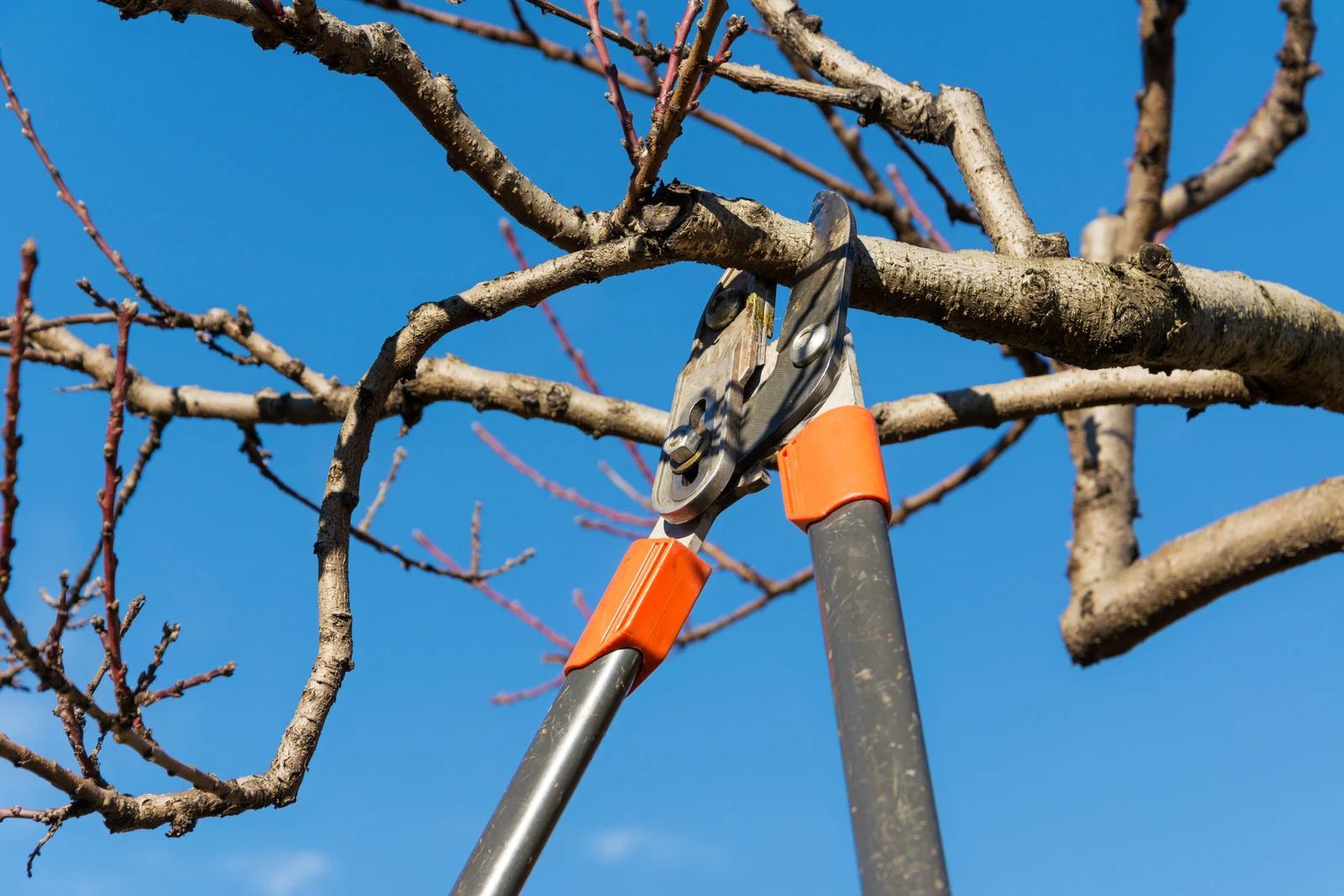
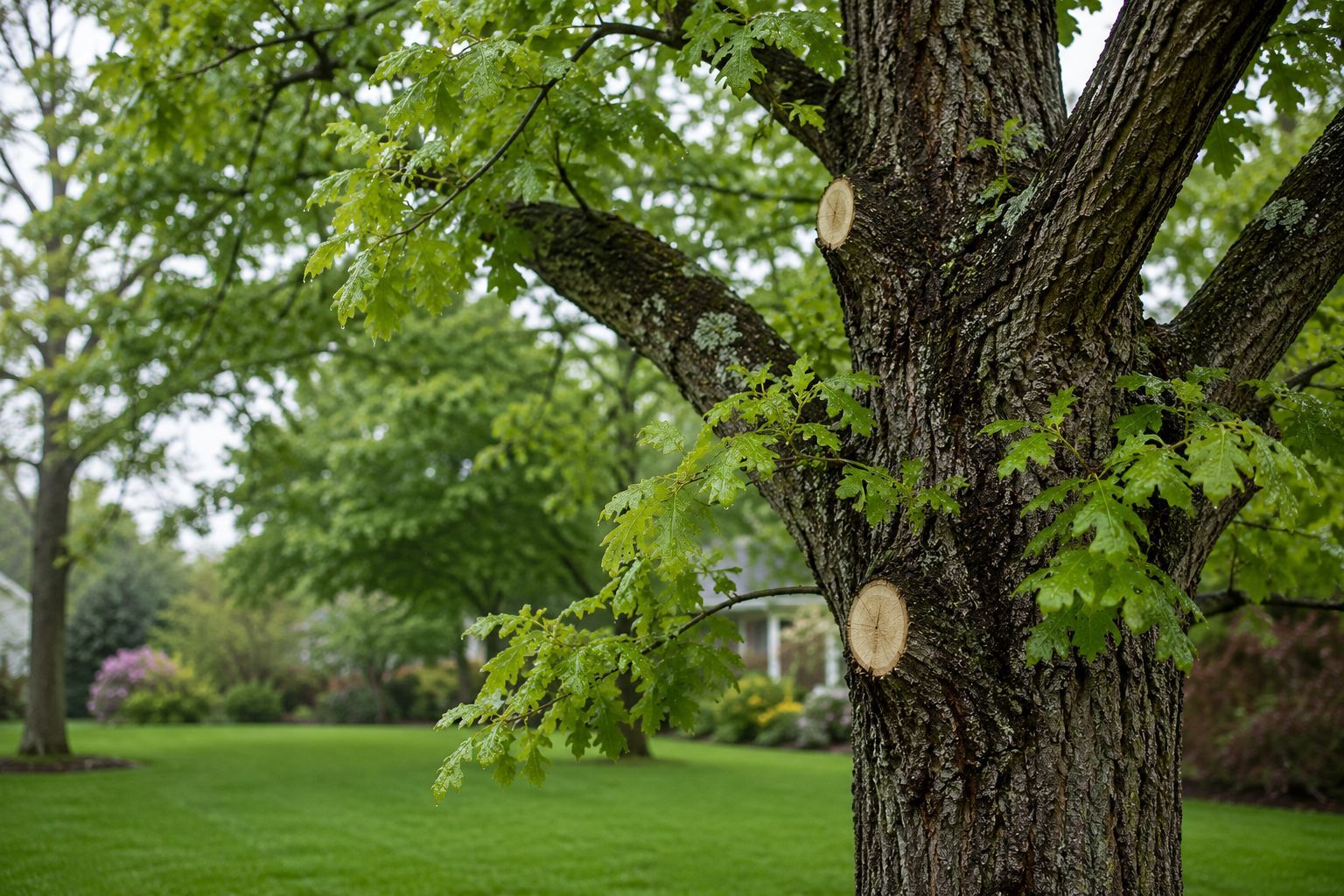
Professional trimming focuses on selective branch removal rather than aggressive cutting. Maintaining a balanced canopy helps preserve the tree’s natural defenses and encourages steady growth. Proper pruning cuts are equally important because incorrect techniques may leave wounds that heal poorly.
Tree care requires understanding species-specific growth habits, structural needs, and long-term health considerations. Skilled trimming protects the integrity of the tree while delivering the desired appearance and safety improvements.
Dedicated Tree Trimming Professionals Serving Property Owners Proudly
Regular tree trimming remains one of the most important investments property owners can make for long-term landscape health, safety, and appearance. Proper trimming encourages stronger growth, improves nutrient distribution, prevents disease spread, reduces storm damage risks, and enhances the overall beauty of residential and commercial properties. Trees that receive routine maintenance develop healthier structures and experience fewer complications caused by overcrowding, decay, or neglected growth. Consistent care also protects nearby buildings, walkways, vehicles, and utility lines from unnecessary hazards caused by weak or overgrown branches.
At Mayan Climber Tree Service Inc.
in Novato, California, we bring 34
years of experience providing dependable tree care solutions focused on long-term health, structural integrity, and property safety. We understand that every tree requires careful evaluation and proper trimming techniques tailored to its species, condition, and surrounding environment. Our approach emphasizes precision, safety, and responsible maintenance practices that support healthy growth while preserving the natural beauty of outdoor spaces.