
Understanding Fire Abatement: Protecting Your Home and Community from Wildfires
The smell reaches you first. A thread of smoke on a hot afternoon in late summer, the sun gone a strange shade of orange, and all at once you are standing in your yard looking at the dry slope behind the fence the way you never have before. The golden grass that seemed harmless in June now looks like a fuse, and you start wondering how close is too close and whether the work you keep putting off is what stands between your house and a fast moving fire.
Here is the short answer. What decides whether your home survives an ember storm is the condition of the space right around it and the fuel that connects the ground to your tree canopy. Most homes that burn do not catch from a wall of flame. They catch from embers landing in dry leaves, bark mulch, and overgrown shrubs pressed against the walls. After clearing and thinning hundreds of properties across these hills, we can tell you that fire abatement is less about luck and more about removing the pathways that let fire reach and climb.
Where to Start Right Now
If you only have a weekend, work from the house outward, not the other way around.
- Clear the first five feet around your home of anything that burns. Pull dead leaves from gutters, move firewood away from walls, and swap bark mulch at the foundation for gravel or bare soil.
- Cut and haul off dead grass, weeds, and dried shrubs within thirty feet of the structure.
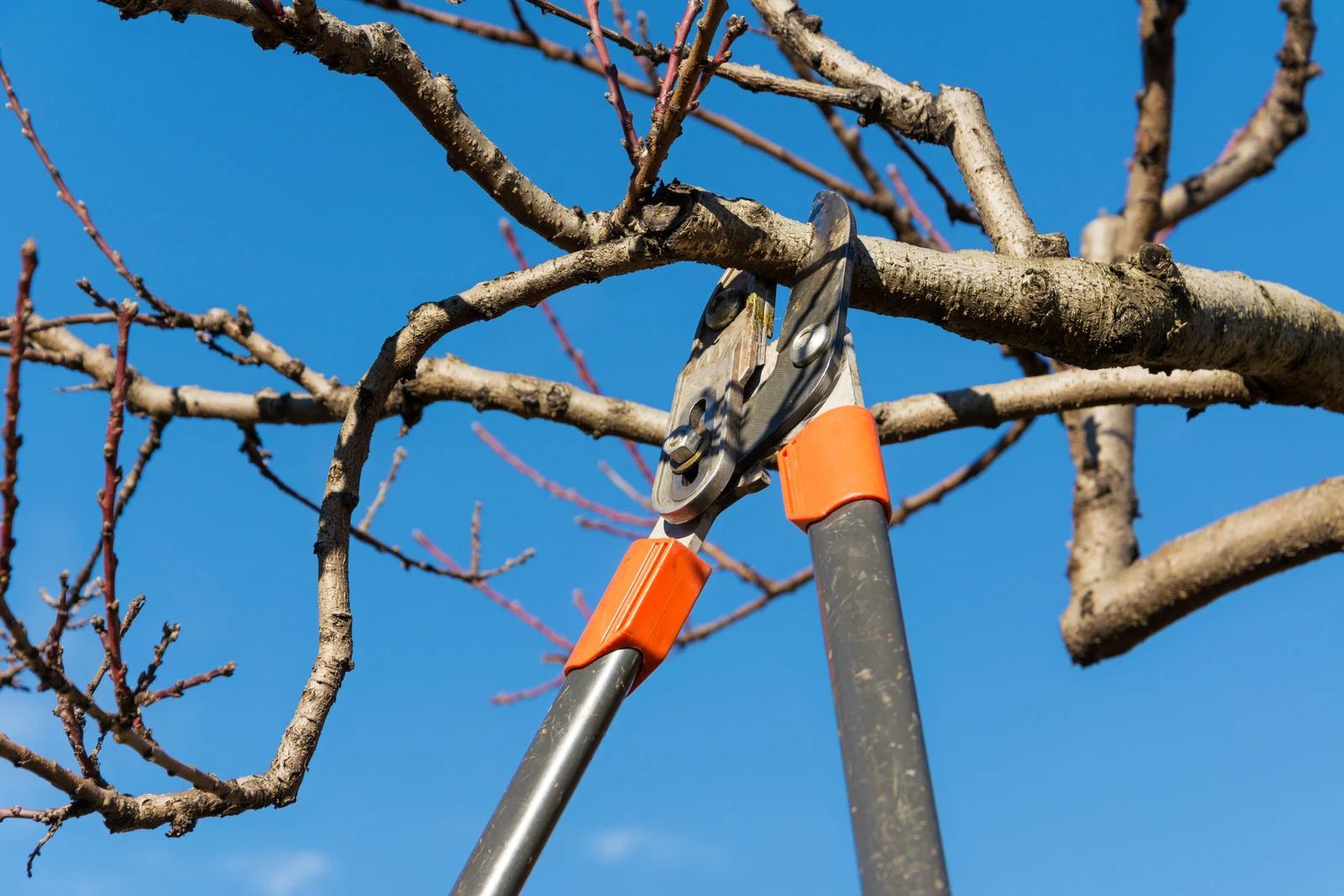
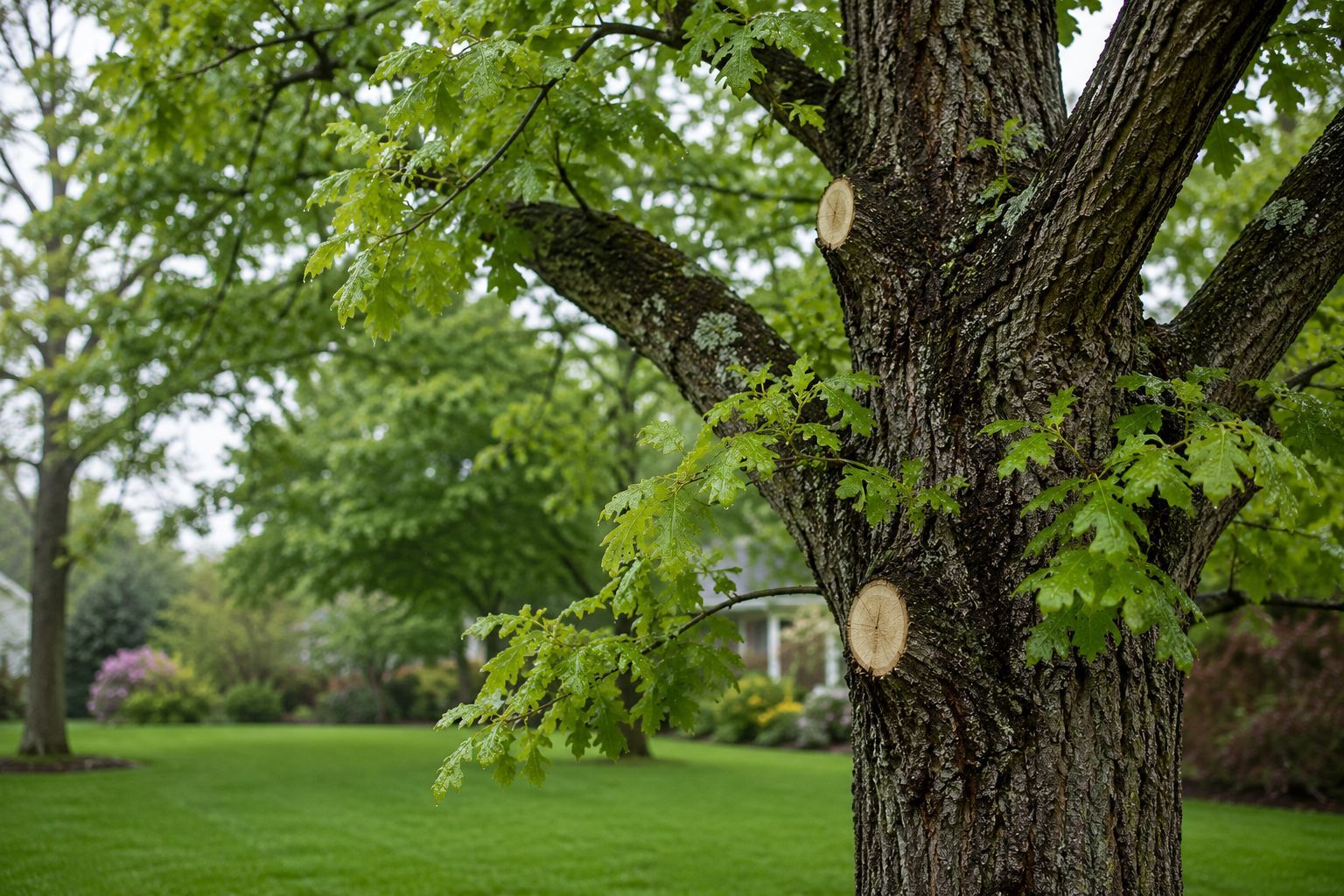
- Limb up the lower branches on nearby trees so a ground fire cannot climb into the crown.
- Rake leaf and needle litter out from under decks, stairs, and vehicles.
- Trim any branch hanging within ten feet of your chimney or roofline.
WARNING: Never run a brush cutter, chainsaw, or mower through dry grass on a windy day or in the afternoon heat. One spark off a rock or a hot muffler in cured grass starts the fire you are trying to prevent. Do this work early, while fuels are still damp.
TIP: Walk the property and look for ladder fuels, the low shrubs and limbs that let flame step from grass into the trees. If you can trace an unbroken line of green from ground to canopy, that is the path fire takes. Break that line first.
What Actually Puts Your Property at Risk
Most wildfire damage to homes starts with fine, dry fuel close to the structure, not the forest in the distance. Cured grass, dead annuals, leaf litter, and loose bark ignite from a single ember and carry flame to the siding. We remove this fuel first on every visit because it does the most damage for how little it weighs.
Ladder fuels come next. When low shrubs, vines, and untrimmed limbs grow into one continuous mass, a small ground fire climbs into the canopy in seconds, then spreads tree to tree and throws embers far ahead.
Crowded canopies add to it. Branches that overlap hand fire from one tree to the next with no break, so we look for at least ten feet of spacing between crowns, more on steep ground. Dead and drought stressed trees raise the danger again, and eucalyptus, with its shredding bark and oily leaves, is one of the most ember prone trees in the region.
How We Read a Property
Before we cut anything, we walk the whole site and map how fire would move across it. On service calls we frequently find that the real hazard is not the big tree the owner worries about but the neglected strip of broom and dead grass along a side fence nobody looks at.
We work in rings from the structure outward. The first few feet get the hardest look, since that is where embers collect. Then we check the thirty foot band for continuous brush and the wider slope for canopy spacing and dead wood. We note which way the ground falls, because a south facing slope below a house cures earlier and burns hotter. We flag the species that behave badly under fire, French broom, eucalyptus, dense coyote brush, and any limb touching the roof, then hand you a clear order of work.
Why the North Bay Burns Differently
Fire behaves differently here than the national average because of our long dry season and our wind. Across Marin and the North Bay, the rain mostly stops by late spring, and the grass and brush cure to tinder by July. By the time the dry offshore winds arrive in fall, the hills around Novato hold months of dead fuel waiting for a spark.
Those fall winds are the real threat. When the wind turns and comes downhill from the northeast, hot and dry, it pushes fire fast and drives embers well ahead of the flame front. Homes tucked into the folds of these hills sit right in that path, and the steep terrain makes it worse, since fire climbs a slope far quicker than it crosses flat ground. Old eucalyptus groves, Monterey pine, and thick coyote brush are common across this part of Marin, and all of them carry fire well.
Keeping It Clear Through the Seasons
The Mistakes We See Most
The most common mistake is clearing far out on the property while leaving the five feet against the house untouched. It feels productive to tackle the big slope, but embers land at the walls, and that narrow band decides more than the wide clearing ever will. Start at the house.
Another is topping trees instead of thinning them. Cutting the tops off does not make a tree safer. It forces dense, weak regrowth that becomes more fuel within a couple of seasons. Proper thinning and limbing up does the job without harming the tree. A third is treating broom and brush like landscaping, since French broom looks lush, which is why people leave it, yet it is full of oils and burns hot. The last is waiting for fire season to start, when fuels are driest and running equipment is most dangerous.
Frequently Asked Questions
How much defensible space do I really need around my house?
Think in widening rings out to about a hundred feet, with the strictest clearing in the first five. On a downhill slope or in a canyon, push the cleared distance further, since fire racing uphill needs more room to lose momentum before it reaches you.
Can I do fire abatement myself or should I hire a professional?
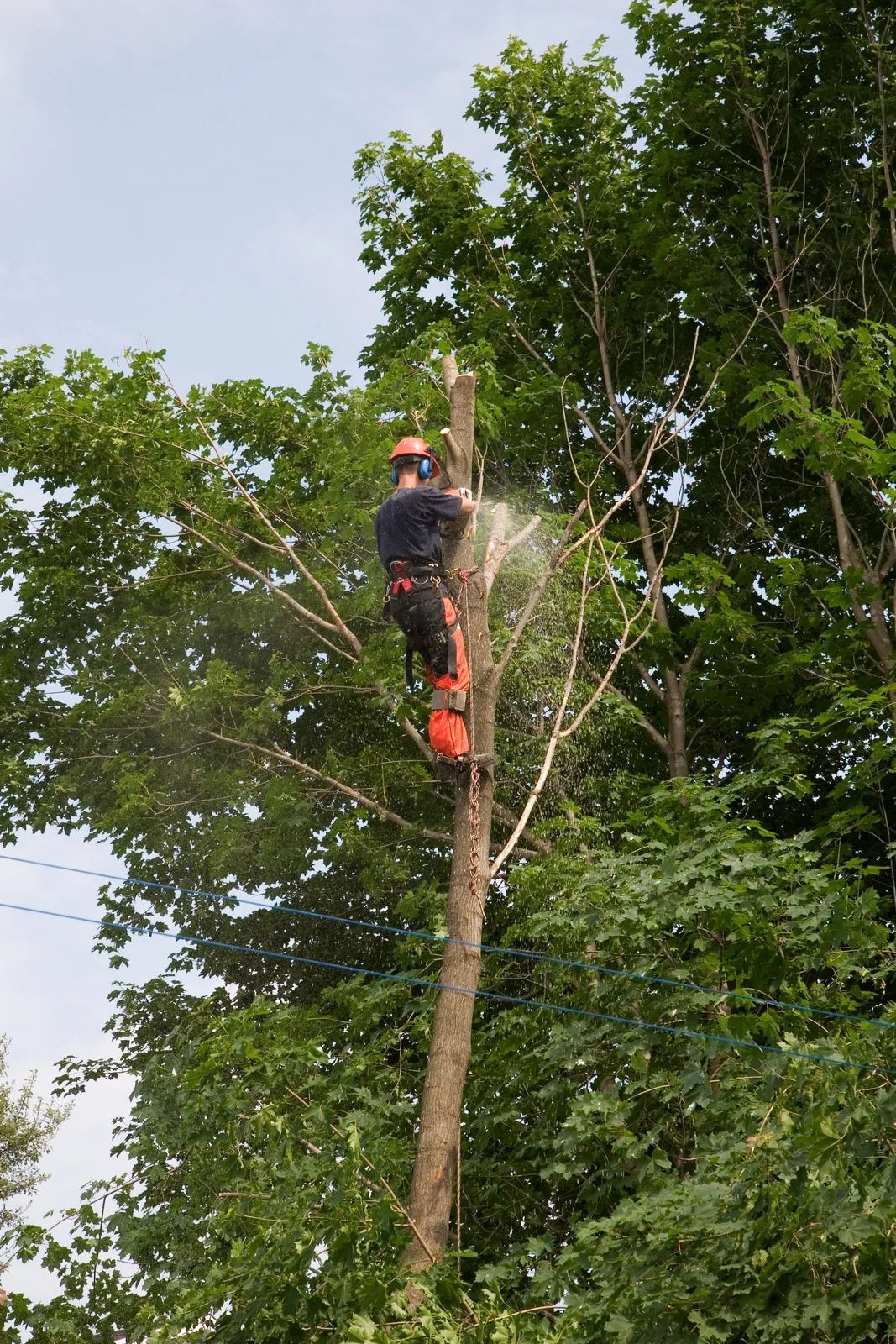
Light raking, gutter clearing, and short grass trimming are safe to handle yourself. Stop and call a professional for any work on a ladder, near power lines, on a steep slope, or involving large limbs and chainsaws above shoulder height.
When is the best time of year to clear brush for fire season?
Aim to finish heavy cutting by late spring, while the ground is still damp and fuels are green. Mow grass low by early summer before it fully cures, then keep up light maintenance through the dry months rather than starting fresh in fall.
Do I have to remove all my trees for fire safety?
No. Healthy, well spaced trees can actually slow wind and catch embers. The goal is thinning, not clearing, removing dead wood, breaking up touching canopies, and limbing up the lower branches so a ground fire cannot climb into a living crown.
Are eucalyptus trees really that dangerous near my home?
In Marin, eucalyptus is a real concern. It sheds long ribbons of oily bark that pile up as fuel and lift burning embers on the wind. If one leans over your roof or driveway, have its risk assessed before fire season arrives.
Trusted Fire Abatement Experts Serving Novato Homeowners
The principle behind all of this is simple. Fire reaches your home through connected fuel, so the work is about breaking those connections, at the walls, in the brush, and between the canopies. In the hills around Novato, California, where dry summers and fall winds line up against steep, fuel-heavy terrain, the gap between a cleared property and a neglected one is wider than almost anywhere else. With 34
years of experience providing
fire abatement, brush clearing, and hazardous tree removal throughout the region, Mayan Climber Tree Service Inc.
understands the local vegetation, terrain, and fire risks that homeowners face each season. When you are ready to put real defensible space around your home, Mayan Climber Tree Service Inc.
handles fire abatement, brush clearing, and hazardous tree removal across Novato, California. Reach out before fire season tightens its grip, and let us walk your property with you.